
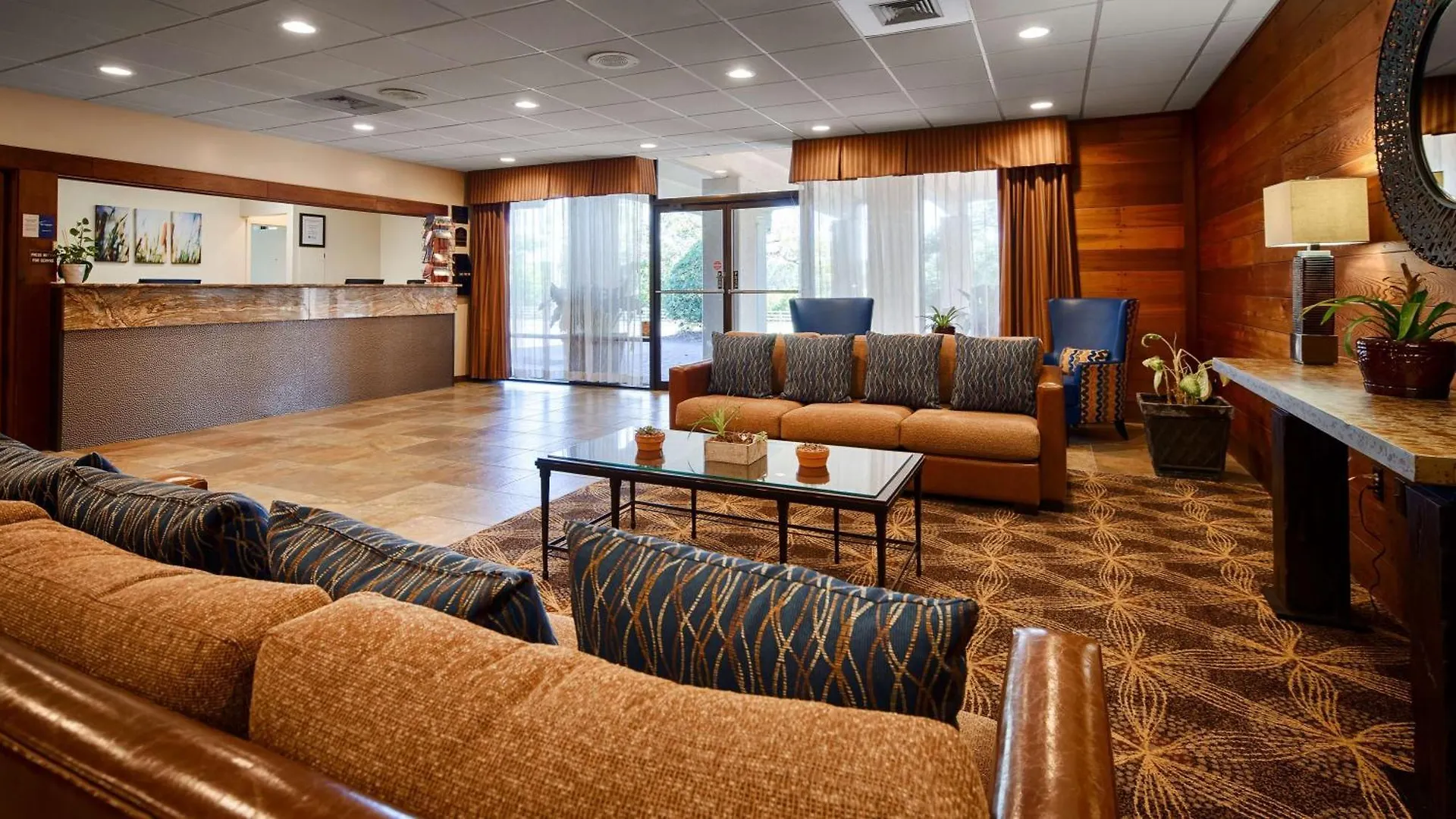
Florida Gulf Coast stretches from the white-sand beaches of the Panhandle down through nature-rich inland corridors, fishing towns, and suburban gateways to Tampa Bay. Best Western hotels along this corridor offer consistent standards - free WiFi, pools, complimentary breakfast, and free parking - at price points that undercut resort-style competitors without sacrificing reliability. Whether you're crossing the Panhandle, exploring Apalachicola's oyster culture, or heading toward Tampa, these four properties cover the region's most practical stopping points.
What It's Like Staying on Florida Gulf Coast
Florida Gulf Coast is not a single destination but a 500-mile corridor connecting barrier island beaches, state forests, small fishing towns, and Tampa's metro sprawl. Travel here is almost entirely car-dependent - public transit is minimal outside Tampa, and distances between attractions routinely exceed 30 miles. Peak season runs from December through April, when snowbirds and spring breakers drive up both occupancy and rates across the region. Summers are hot and humid, with afternoon thunderstorms common from June through September, but hotel rates drop noticeably and crowds thin at inland and Panhandle locations.
Who benefits most from staying here: road-trippers, nature tourists, and families driving between Gulf beach towns and Central Florida theme parks. Travelers expecting walkable urban neighborhoods or dense public transport will find the Gulf Coast frustrating without a rental car.
Pros:
- Access to some of the least commercialized Gulf beaches in the continental U.S., including St. George Island and the Emerald Coast
- Free parking is standard at nearly all mid-range and budget hotels, eliminating a major cost factor
- Outdoor activities - kayaking, bird watching, fishing, state park access - are available within around 30 minutes of most Gulf Coast stays
Cons:
- A car is non-negotiable; without one, even grocery runs become logistical problems
- Hurricane season (June-November) can disrupt travel plans, particularly near coastal and Panhandle locations
- Dining options near budget hotels are often limited to chain restaurants unless you're staying in Apalachicola or Tampa's suburbs
Why Choose a Best Western Hotel on Florida Gulf Coast
Best Western properties on Florida Gulf Coast occupy a consistent mid-range niche - typically priced below $150 per night outside peak season - making them among the most cost-efficient options for road-trippers who prioritize predictability over luxury. Each property in this region includes free parking, free WiFi, and at least a pool, which eliminates the hidden costs that resort-adjacent hotels often add through fees. Room sizes trend toward standard American motel dimensions, generally around 280-320 square feet, with functional in-room amenities like microwaves and fridges that make multi-night stays more manageable.
The trade-off is atmosphere: these are not boutique properties with local character, and their locations - near highways and interstate exits - prioritize car access over walkability or views. That said, for travelers using Gulf Coast hotels as a base for day trips rather than as a destination in themselves, the Best Western model is well-matched to how people actually use hotels in this region.
Pros:
- Breakfast included at all four properties reduces daily costs for families and early-departing guests
- Disability-accessible facilities are available at every listed property, a practical advantage in a region with limited accessible accommodation options
- Locations near major state and federal highways make these hotels easy entry and exit points for regional itineraries
Cons:
- None of these properties offer beach access or Gulf views - they are inland or suburban stops, not beachfront stays
- Shared lounges and limited food and beverage options mean you'll eat most dinners off-site
- Pool areas are outdoor and seasonal; summer storms can limit usability in the late afternoon hours
Practical Booking & Area Strategy for Florida Gulf Coast
The four Best Western locations span the Gulf Coast's geography strategically: DeFuniak Springs sits along the US-331 corridor in the Panhandle, connecting I-10 to the Emerald Coast beaches of Destin and Fort Walton Beach; Apalachicola anchors the lesser-visited but scenically rich Franklin County coastline; Wesley Chapel functions as a northern Tampa suburb and I-75 crossroads; and Mulberry sits between Lakeland and Tampa, near phosphate mining heritage sites and Polk County's rural interior. Book Apalachicola and DeFuniak Springs at least 6 weeks ahead for spring and fall weekends, when outdoor tourism and festivals fill limited inventory quickly. Wesley Chapel and Mulberry offer more last-minute availability given their suburban, highway-stop positioning. For Tampa International Airport arrivals, the Mulberry property is around 60 km from the terminal - manageable with a rental car but not suited to airport-adjacent stays. Destin-Fort Walton Beach Airport is 60 km from the DeFuniak Springs property, making it the most practical Panhandle beach-access base among the four. Apalachicola is the strongest pick for travelers combining Gulf seafood culture with state forest hiking, particularly access to Apalachicola National Forest and St. George Island.
Best Value Stays
These properties combine the strongest price-to-amenity ratios for travelers using Gulf Coast hotels as functional road-trip bases rather than destination stays.
-
1. Best Western Crossroads Inn
Show on map


 Check-infrom 15:00 until 23:59Check-outuntil 11:00
Just a few rooms left at the best rate!
fromUS$ 96
-
2. Best Western Mulberry Hotel
Show on map


 Check-infrom 15:00 until 23:59Check-outuntil 11:00
Just a few rooms left at the best rate!
fromUS$ 120
-
3. Best Western Wesley Chapel
Show on map


 Check-infrom 15:00 until 23:59Check-outuntil 11:00
Hurry – almost gone at this price!
fromUS$ 69
Best Premium Option
This property stands out for its location in one of Florida Gulf Coast's most distinctive small towns, combining stronger leisure positioning with above-average breakfast ratings.
-
4. Best Western Apalach Inn
Show on map


 Check-infrom 15:00 until 23:59Check-outuntil 11:00
Rooms filling fast – secure the best rate!
fromUS$ 95
Smart Timing & Booking Advice for Florida Gulf Coast
January through March is the most competitive booking window on Florida Gulf Coast, particularly for Panhandle and coastal properties where snowbird demand compresses availability and lifts rates by around 30% compared to summer lows. The Apalachicola property is especially affected by seasonal swings - the town's oyster festivals and the mild winter climate make it a sought-after winter escape, and last-minute availability is rare from November through April. Wesley Chapel and Mulberry follow Tampa's event calendar more than the beach season, meaning Super Bowl weeks, college football weekends, and convention periods at the Tampa Convention Center can spike rates unpredictably. For DeFuniak Springs, the optimal visit window is September through November: Panhandle beach crowds have thinned, temperatures are below 85°F, and rates are near their annual floor. Booking at least 4 weeks ahead is the practical minimum for Apalachicola during any weekend in the cooler months; the other three properties allow shorter booking windows given their highway-stop character and higher room inventory relative to demand.


