
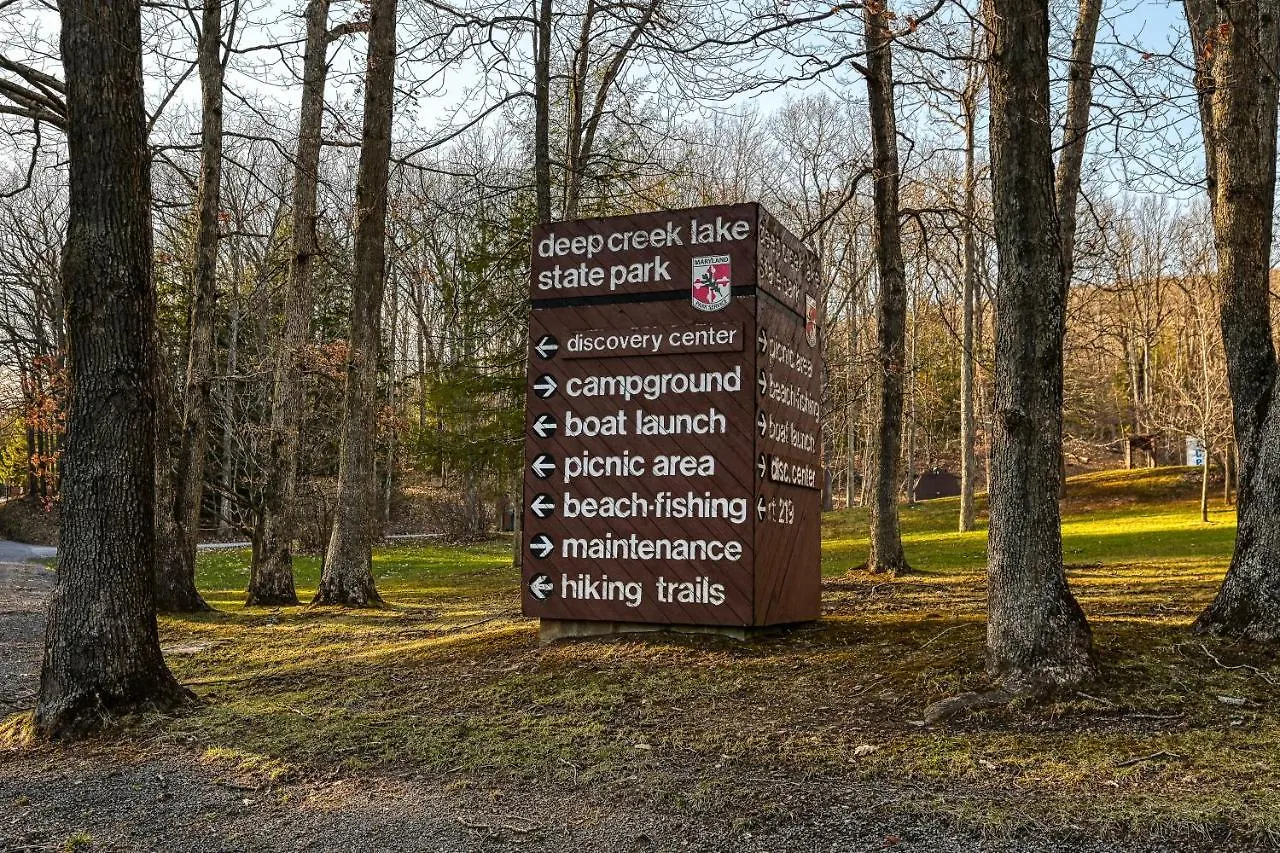
The Appalachian Mountains stretch across 14 states and offer some of the most diverse self-catering accommodation in the eastern United States - from timber cabins in the Smokies to riverside retreats in the Georgia Blue Ridge and luxury mountain estates in North Carolina. Holiday homes here give travelers the space, privacy, and trail-access that standard hotels simply cannot replicate. This guide covers 11 hand-reviewed properties across key Appalachian destinations to help you make a smart, specific booking decision.
What It's Like Staying in the Appalachian Mountains
Staying in the Appalachian Mountains means trading urban convenience for genuine seclusion - most holiday homes sit along winding mountain roads where the nearest grocery store can be a 20-minute drive. Car travel is non-negotiable; there is no meaningful public transport across any Appalachian corridor, so every activity, restaurant visit, and trail access point requires your own vehicle. Crowd density varies sharply by sub-region: the Gatlinburg-Sevierville strip in Tennessee attracts heavy weekend traffic year-round, while areas like Crumpler, NC or Cosby, TN remain genuinely quiet even in peak leaf season.
Holiday homes in this region are best suited to families, couples on retreat, and groups wanting shared space with kitchen independence. Urban travelers expecting walkable dining or nightlife will find most mountain locations frustrating - the experience is structured around nature, not amenity density. Those who prioritize trail access, fire pit evenings, and panoramic views over room service will find it difficult to match what the Appalachians offer at this price point.
Pros:
- Exceptional access to hiking trails, skiing (seasonal), and rivers directly from many properties
- Full kitchen and multi-bedroom layouts deliver real value for groups compared to booking multiple hotel rooms
- Privacy and seclusion that hotel corridors cannot offer, including private hot tubs and outdoor fireplaces
Cons:
- A personal vehicle is required at all times - rideshare coverage is minimal or non-existent outside Asheville
- Mountain road conditions can be challenging in winter, especially for properties at elevation
- Cell signal and broadband speeds are unreliable in many rural Appalachian sub-regions
Why Choose a Holiday Home in the Appalachian Mountains
Holiday homes in the Appalachians consistently outperform standard hotels on space-per-dollar - a 3-bedroom cabin with a hot tub, full kitchen, and mountain views often costs less per night than two standard hotel rooms in Gatlinburg or Asheville. The self-catering format is particularly cost-effective for stays of 3 nights or longer, where grocery cooking replaces daily restaurant bills. Room sizes are genuinely generous compared to urban alternatives: properties across the Smokies and Blue Ridge regularly offer 2-6 bedrooms with separate living areas, fireplaces, and private outdoor space.
The key trade-off is logistical self-sufficiency - you manage your own check-in (typically keypad or lockbox), your own supplies, and your own schedule, with limited on-call support compared to a staffed hotel. For most Appalachian travelers, this is a feature, not a bug. Around 70% of bookings in peak fall foliage season (October) are made by families and groups of 4 or more, which reflects who these properties genuinely serve best.
Pros:
- Full kitchens eliminate the need to eat out every meal, cutting trip costs significantly on multi-night stays
- Private amenities like hot tubs, pools, and fireplaces are standard across mid-range and premium options
- Multi-bedroom layouts sleep 4-14 guests in one property, making group trips far more practical than hotel blocks
Cons:
- Self-managed check-in means issues must be resolved remotely, with variable host response times
- Cleaning fees and multi-night minimums can inflate costs for short 1-2 night stays
- No on-site restaurant, concierge, or daily housekeeping in the vast majority of properties
Practical Booking & Area Strategy for the Appalachian Mountains
Positioning matters significantly across the Appalachian range. Sevierville and Pittman Center in Tennessee place you within striking distance of Gatlinburg, Dollywood, and Great Smoky Mountains National Park - the most visited national park in the United States - but weekend traffic on US-441 can add significant drive time. Asheville, NC is the most urban Appalachian base, with walkable dining on Lexington Avenue, craft breweries, and the Biltmore Estate nearby, making properties like downtown condos genuinely functional without a car for evenings. Cosby and Crumpler offer the quietest positioning - further from commercial strips but closer to undeveloped trail networks and waterfalls.
For ski-season visitors targeting Sugar Mountain Resort or Ober Gatlinburg, Banner Elk and the Powderhorn Mountain area in NC offer the shortest access windows. Book at least 8 weeks ahead for October foliage weekends - availability across the Smokies and Blue Ridge collapses faster than any other period. Helen, GA is an underrated Appalachian entry point, combining Oktoberfest tourism with easy access to Anna Ruby Falls and the Chattahoochee National Forest, with lighter overall crowd pressure than the Tennessee corridor.
Best Value Holiday Homes
These properties deliver strong space, privacy, and location access at entry-to-mid price points across the Appalachian range - suitable for couples, small families, and solo retreats.
-
1. Little Bear Tiny Cabin
Show on map


 Check-infrom 16:00 until 23:59Check-outfrom 10:00 until 11:00
Just a few rooms left at the best rate!
fromUS$ 157
-
2. Woodsy Way Cabin
Show on map


 Check-infrom 16:00 until 23:59Check-outuntil 10:00
Just a few rooms left at the best rate!
fromUS$ 177
-
3. Southern Grace
Show on map


 Check-infrom 16:00 until 23:59Check-outfrom 08:00 until 10:00
Just a few rooms left at the best rate!
fromUS$ 248
-
4. River Haus
Show on map


 Check-infrom 16:00 until 23:59Check-outuntil 10:00
Just a few rooms left at the best rate!
fromUS$ 379
-
5. The Cabins At Healing Springs
Show on map


 Check-infrom 16:00 until 23:59Check-outuntil 11:00
Hurry – almost gone at this price!
fromUS$ 89
- Show on map
Best price guarantee
Best Premium Holiday Homes
These properties offer expanded bedroom counts, elevated amenity sets, or exceptional location positioning across the Appalachian Mountains - suited to large groups, special occasions, and travelers prioritizing standout features over base price.
-
7. 145 Biltmore Ave Condo 541B0A
Show on map


 Check-infrom 16:00 until 23:59Check-outuntil 11:00
Hurry – almost gone at this price!
fromUS$ 684
-
8. Upstream Penthouse
Show on map


 Check-infrom 16:00 until 23:59Check-outfrom 09:00 until 10:00
Hurry – almost gone at this price!
fromUS$ 1705
-
9. The Castle At Valle Crucis
Show on map


 Check-infrom 16:00 until 23:59Check-outuntil 10:00
Rooms filling fast – secure the best rate!
fromUS$ 1434
-
10. Garden Of Eden Cabins
Show on map


 Check-infrom 15:00 until 23:30Check-outfrom 04:00 until 10:00
Rooms filling fast – secure the best rate!
fromUS$ 154
-
11. Foxwood Mansion Cabin
Show on map


 Check-infrom 16:00 until 23:59Check-outuntil 10:00
Rooms filling fast – secure the best rate!
fromUS$ 3640
Smart Travel & Timing Advice for Appalachian Mountain Holiday Homes
The Appalachian Mountains have two distinct demand peaks: October leaf-foliage season (roughly mid-October in the NC High Country, slightly later in Tennessee) and the December-February ski window around Sugar Mountain and Ober Gatlinburg. Both periods see availability drop sharply and prices spike - holiday homes in the Smokies can cost around 60% more during peak October weekends than equivalent mid-week November bookings. Summer (June-August) is busy in Tennessee near Dollywood and Gatlinburg but quieter in the Maryland Appalachians around Oakland, creating a strategic value window for cooler mountain escapes.
The shoulder windows of April-May and late November offer the best price-to-experience ratio across the full range: wildflower blooms on Appalachian Trail segments, thinner crowds, and more host flexibility on minimum stay requirements. Book at least 6 weeks ahead for any October or holiday-week stay - last-minute availability in peak season is rare and priced at a significant premium. For ski-focused stays near Banner Elk or Powderhorn Mountain, January and February midweek bookings consistently offer lower rates than weekend dates without sacrificing snow conditions.
A minimum stay of 3 nights delivers the best per-night cost across most properties in this collection, particularly when factoring in cleaning fees. For groups of 8 or more, properties like Foxwood Mansion Cabin and The Castle at Valle Crucis become significantly more cost-competitive per person than booking multiple smaller cabins separately.


