
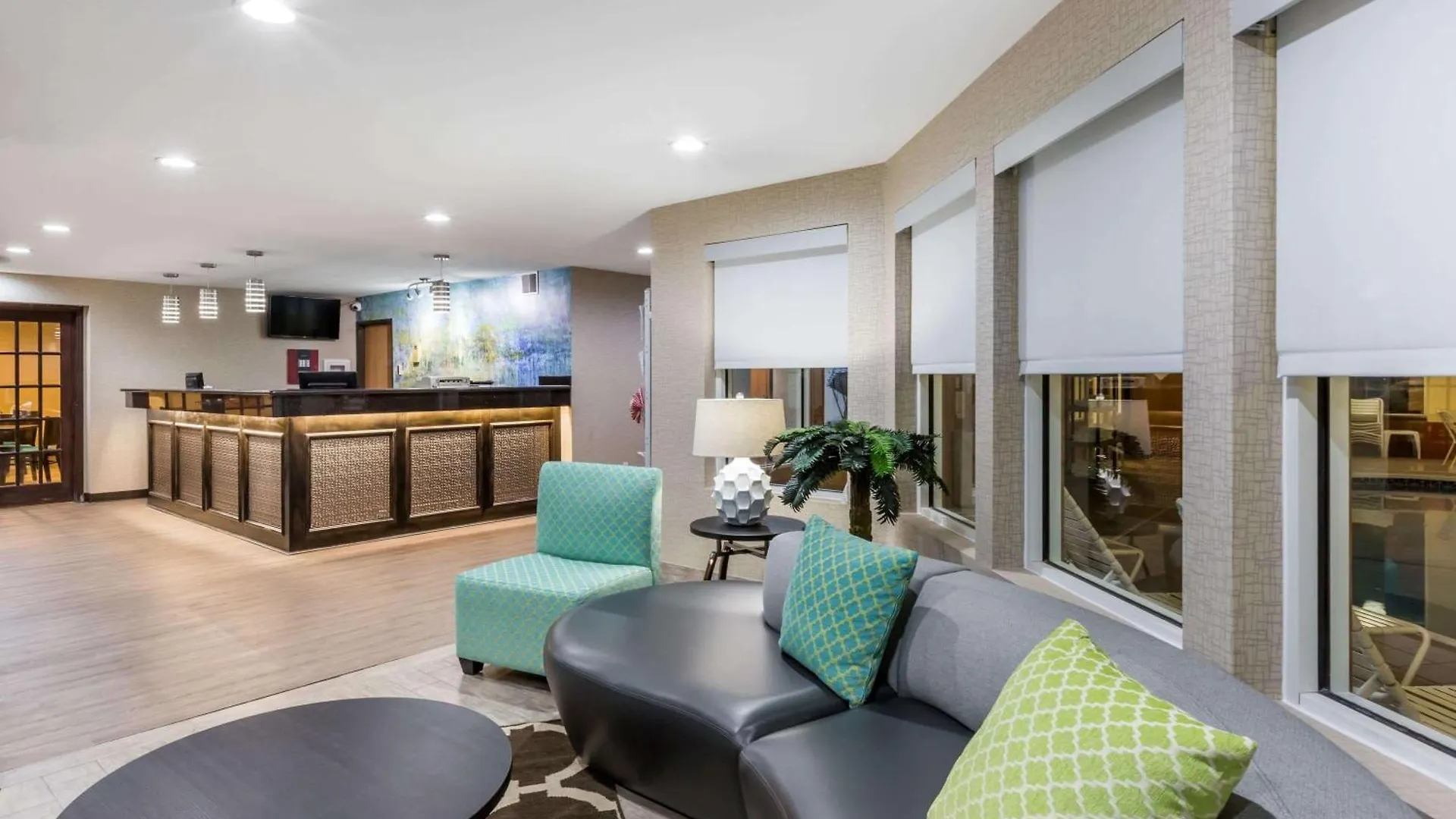
Iowa sits at the crossroads of Midwestern heritage and working farmland culture, and its hotels reflect that layered history - from Civil War-era river towns like Keokuk to Dutch colonial settlements in Pella. This guide covers 6 historically rooted hotels across Iowa, helping travelers choose the right property based on location, amenities, and access to the state's most meaningful landmarks.
What It's Like Staying in Iowa
Iowa is not a fast-paced destination - and that works in travelers' favor. Cities like Des Moines, Ottumwa, and Keokuk move at a deliberate pace, with low traffic density and easy parking compared to coastal metros. Public transit is limited, so having a car is essentially required for most Iowa itineraries. The state draws history enthusiasts, road-trippers crossing the Midwest, and families exploring agricultural landmarks like the American Gothic House in Eldon or the Effigy Mounds National Monument in the northeast.
Iowa's tourism season peaks in summer, particularly around the Iowa State Fair in late August in Des Moines, which draws around 1 million visitors over 11 days. Outside of these peaks, the state is uncrowded, and hotel prices remain accessible even in mid-tier properties.
Pros:
Low crowds outside of summer festivals make sightseeing at landmarks like Pella's historic Dutch windmill district much more relaxed
Free parking at nearly all Iowa hotels eliminates a cost that adds up quickly in urban destinations
Small-town authenticity in cities like Waverly and Marshalltown gives travelers access to genuine local culture without tourist pricing
Cons:
No significant public transit infrastructure means rental cars or personal vehicles are mandatory for any multi-city Iowa trip
Dining options thin out significantly in smaller towns after 8 PM, limiting evening flexibility
Harsh winter conditions from November through February make road travel unpredictable and reduce access to outdoor historical sites
Why Choose Historical Hotels in Iowa
Historical hotels in Iowa tend to anchor themselves near founding-era districts, Civil War landmarks, and heritage cultural sites - meaning their location value is often higher than their room rate suggests. Unlike major coastal cities where boutique historical properties command a steep premium, Iowa's historically positioned hotels typically sit in the mid-range bracket, averaging around $120 per night for a well-equipped room. That positions them as strong value options for travelers wanting context and character without overpaying.
Room sizes at Iowa historical hotels are generally more generous than what you'd find in dense urban markets, often including suite configurations, kitchen facilities, and dedicated sitting areas. The trade-off is that these properties are spread across smaller cities, so travelers should plan their itinerary around the hotel location rather than assuming proximity to multiple attractions.
Pros:
Proximity to Iowa's key heritage sites - Dutch colonial architecture in Pella, Mississippi River history in Keokuk, and Native American cultural landmarks - adds genuine travel depth
Historically positioned hotels in Iowa almost universally offer free parking and full hot breakfasts, reducing daily travel costs noticeably
Room configurations at these properties often include refrigerators, microwaves, and sofa sleepers, making them practical for multi-night stays or family trips
Cons:
Many historically themed Iowa hotels operate under national chain flags, which limits the truly independent boutique character some travelers seek
Walkability scores in Iowa's smaller cities are low - even hotels near historical downtowns like Ottumwa or Marshalltown require a short drive to reach most attractions
Demand spikes around local festivals (tulip festivals in Pella, county fairs) can push availability low with little advance warning if you don't book early
Practical Booking & Area Strategy
Iowa's geography rewards a planned road-trip approach. Des Moines serves as the most logical base for travelers covering central Iowa, with Pella (about 50 miles southeast) and Marshalltown (about 50 miles northeast) both reachable as day trips. For southeastern Iowa, Ottumwa and Keokuk sit along the Iowa-Missouri border and pair well together, with access to the American Gothic House in Eldon and the historic Fort Madison district just 30 miles north of Keokuk. Waverly in northeastern Iowa is best positioned for travelers connecting with Cedar Falls, Waterloo, and the University of Northern Iowa's performing arts scene at the Gallagher Bluedorn Center.
Book at least 6 weeks ahead for visits overlapping Pella's Tulip Time Festival (early May) or the Iowa State Fair (late August) - both events push hotel inventory across a wide radius. October through early November offers the quietest conditions, fall foliage across Iowa's river valleys, and meaningfully lower rates at most properties without sacrificing access to historical sites.
Best Value Historical Hotels in Iowa
These properties deliver strong access to Iowa's historical corridors - from Dutch-heritage Pella to the Mississippi River town of Keokuk - at rates that make multi-night stays practical without compromising on key amenities like pools, breakfast, or free parking.
-
1. Baymont By Wyndham Pella
Show on map


 Check-infrom 15:00 until 23:59Check-outuntil 11:00
Just a few rooms left at the best rate!
fromUS$ 68
-
2. Quality Inn Waverly
Show on map


 Check-infrom 15:00 until 23:59Check-outuntil 11:00
Just a few rooms left at the best rate!
fromUS$ 115
-
3. Quality Inn & Suites Ottumwa North
Show on map


 Check-infrom 15:00 until 23:59Check-outuntil 11:00
Hurry – almost gone at this price!
fromUS$ 80
-
4. Super 8 By Wyndham Nebraska City
Show on map


 Check-infrom 15:00 until 23:59Check-outuntil 11:00
Hurry – almost gone at this price!
fromUS$ 86
Best Premium Historical Hotels in Iowa
These two properties offer elevated amenity sets - exceptional breakfast ratings, fitness facilities, and strategic positioning near Iowa's Civil War and river heritage sites - at rates that reflect their stronger brand positioning within the state.
-
5. Hampton Inn Keokuk
Show on map


 Check-infrom 15:00 until 23:59Check-outuntil 11:00
Rooms filling fast – secure the best rate!
fromUS$ 89
-
6. Holiday Inn Express & Suites - Marshalltown By Ihg
Show on map


 Check-infrom 15:00 until 23:59Check-outuntil 11:00
Rooms filling fast – secure the best rate!
fromUS$ 307
Smart Travel & Timing Advice for Iowa
Iowa's most practical travel window for historical sightseeing runs from late April through early June and again from mid-September through October. Pella's Tulip Time Festival in early May is the single highest-demand event in small-town Iowa, pushing hotel inventory within a 30-mile radius to near capacity - book at least 8 weeks ahead if your dates overlap. The Iowa State Fair in Des Moines in late August creates a similar crunch across central Iowa properties, with rates rising noticeably even in Marshalltown and Pella.
Winter travel from December through February is the quietest and cheapest period, but outdoor historical sites - including Effigy Mounds and many river overlooks - are either closed or difficult to access in icy conditions. A 3-night stay is typically enough to cover a regional cluster (e.g., Pella plus Ottumwa, or Keokuk plus Waverly), while a full Iowa heritage road trip covering north-to-south realistically requires 6 to 7 nights. Last-minute bookings work well outside of festival periods, but for May and August, early reservation is non-negotiable across all properties in this guide.


